

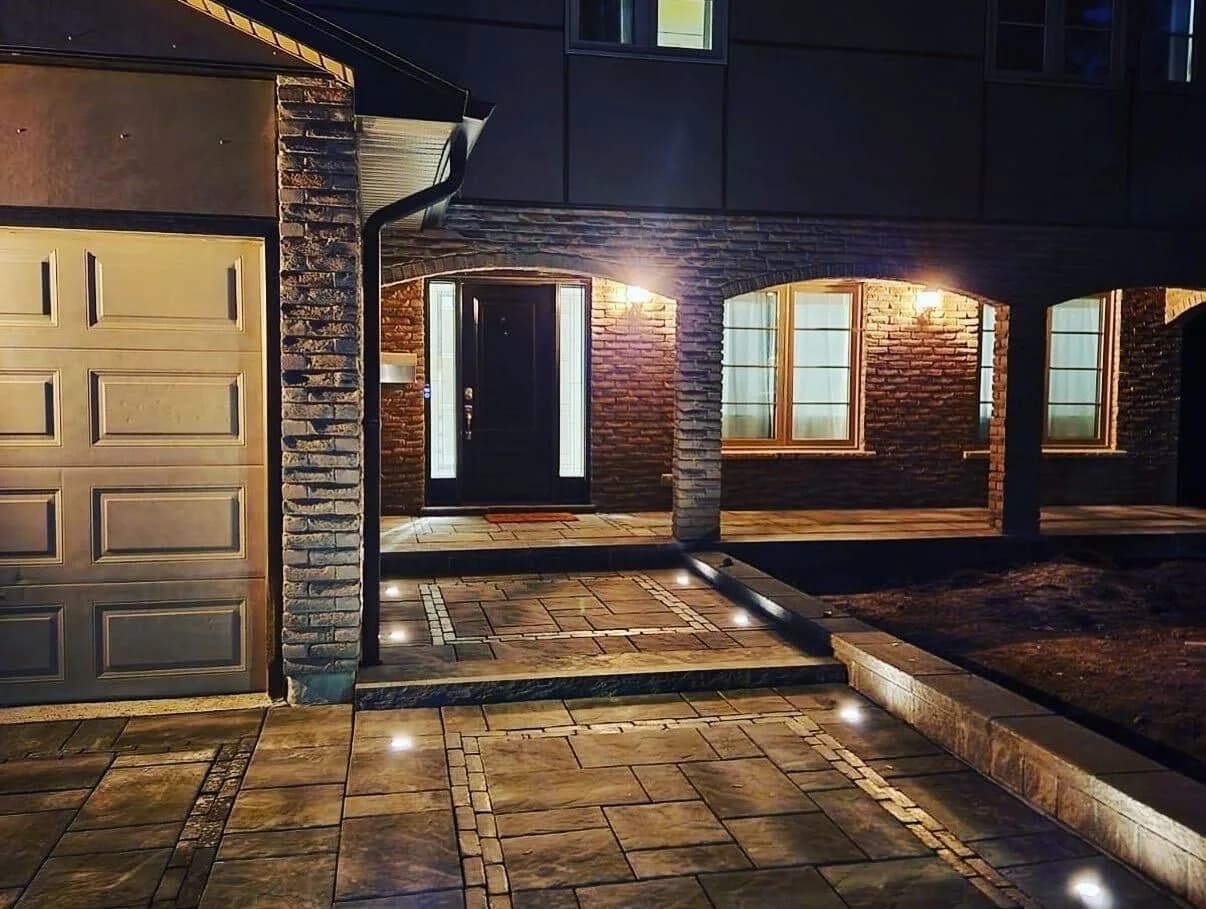
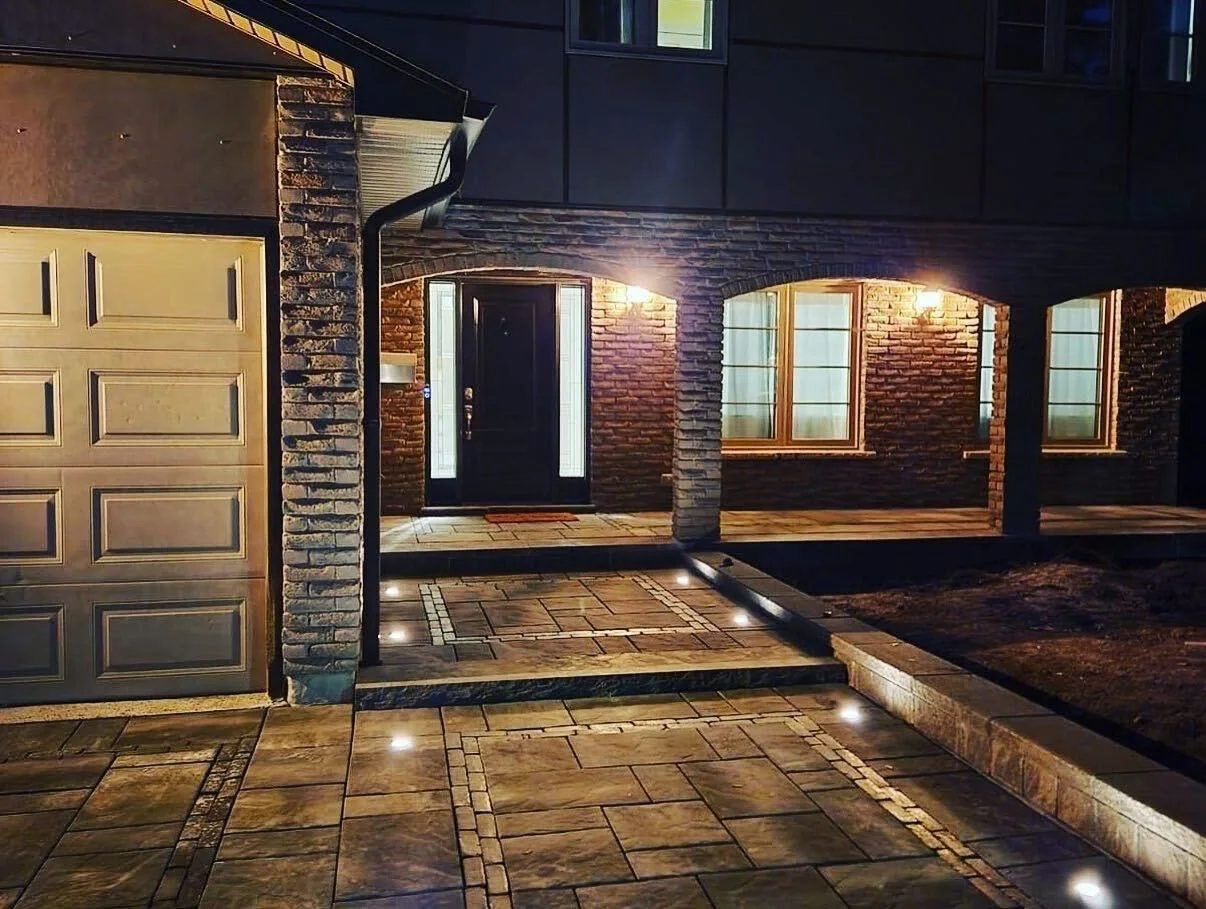
Calgary outdoor lighting
Outdoor Landscape Lighting for Calgary Homes
Well-placed landscape lighting should guide movement and reveal the property without overwhelming it. Picasso plans low-voltage lighting around entries, paths, planting, materials, and outdoor gathering areas.
- Calgary, Airdrie, Cochrane, and Okotoks
- Choose a reply by email, call or text
- Focused jobs and larger projects welcome
Focused jobs and larger projects are welcome. We review scope, access, effort, location and timing case by case.

Outdoor Environment · in motion
The whole property shapes outdoor lighting.
The visible result begins with the site: how people move through it, how materials meet, how water travels, and how the landscape will be used through Calgary’s seasons.
- 01
Purpose
Plan how it should live
- 02
Composition
Connect every element
- 03
Detail
Finish with intention
Where this service helps
When to consider outdoor lighting.
Outdoor lighting changes how a project feels after sunset. The right fixtures can guide circulation, shape mood, and highlight materials without turning the property into a stage set.
- 01
Dark paths or entries
- 02
A finished landscape that disappears after sunset
- 03
Glare, uneven brightness, or disconnected fixtures
Service planning detail
How Picasso scopes this work.
Materials
- Outdoor-rated low-voltage fixtures, a compatible transformer, direct-burial cable, weather-resistant connections, and approved timers, photocells, or controls may be specified.
- Fixture models, beam types, colour temperature, finishes, and controls are confirmed in the proposal.
Methods
- Review nighttime goals and sightlines, coordinate cable routes before final landscaping, install the approved low-voltage system, test operation, aim fixtures when practical, and explain the controls.
Timeline drivers
- Landscape phasing, fixture availability, electrical readiness, cable-route access, specialist work, weather, and after-dark aiming conditions.
Technical considerations
- A qualified electrician handles line-voltage circuits, panels, receptacles, and work requiring that trade.
- Snow cover, freeze-thaw movement, irrigation, snow clearing, glare, planting growth, and service access are considered in the layout.
What the scope can include
A clear outcome before crews and materials move.
- 01
A fixture and placement plan
- 02
Lighting for circulation, atmosphere, and key landscape features
- 03
A coordinated installation that supports the wider project
Scope planning
Questions the project scope should resolve.
- 01
Review nighttime priorities
- 02
Choose fixture roles and locations
- 03
Coordinate cable routes and landscape work
- 04
Aim, test, and refine after installation
Built for Calgary conditions
Local details belong in the scope.
- Snow coverage and seasonal visibility
- Fixture durability and service access
- Warm, restrained output around neighbouring homes
- Coordination with new patios and planting
Common questions
What homeowners usually want to know.
Can lighting be added to an existing yard?
Yes. Existing paths, trees, beds, patios, and entries can often support a focused retrofit plan.
Is landscape lighting very bright?
It should not be. A useful plan relies on controlled layers and careful aiming rather than excessive output.
Can lighting be installed with a larger project?
Yes. Coordinating it before hardscape and planting are complete usually creates a cleaner installation.
Ready to share the property?
Begin with the site, the priorities, and the timing.
For example: a new fence, a patio or improvements to the backyard. Focused jobs and larger projects are welcome. We review scope, access, effort, location and timing case by case.